Same Struggles, Different Stories…
Well! Spring is here and the days are getting longer.
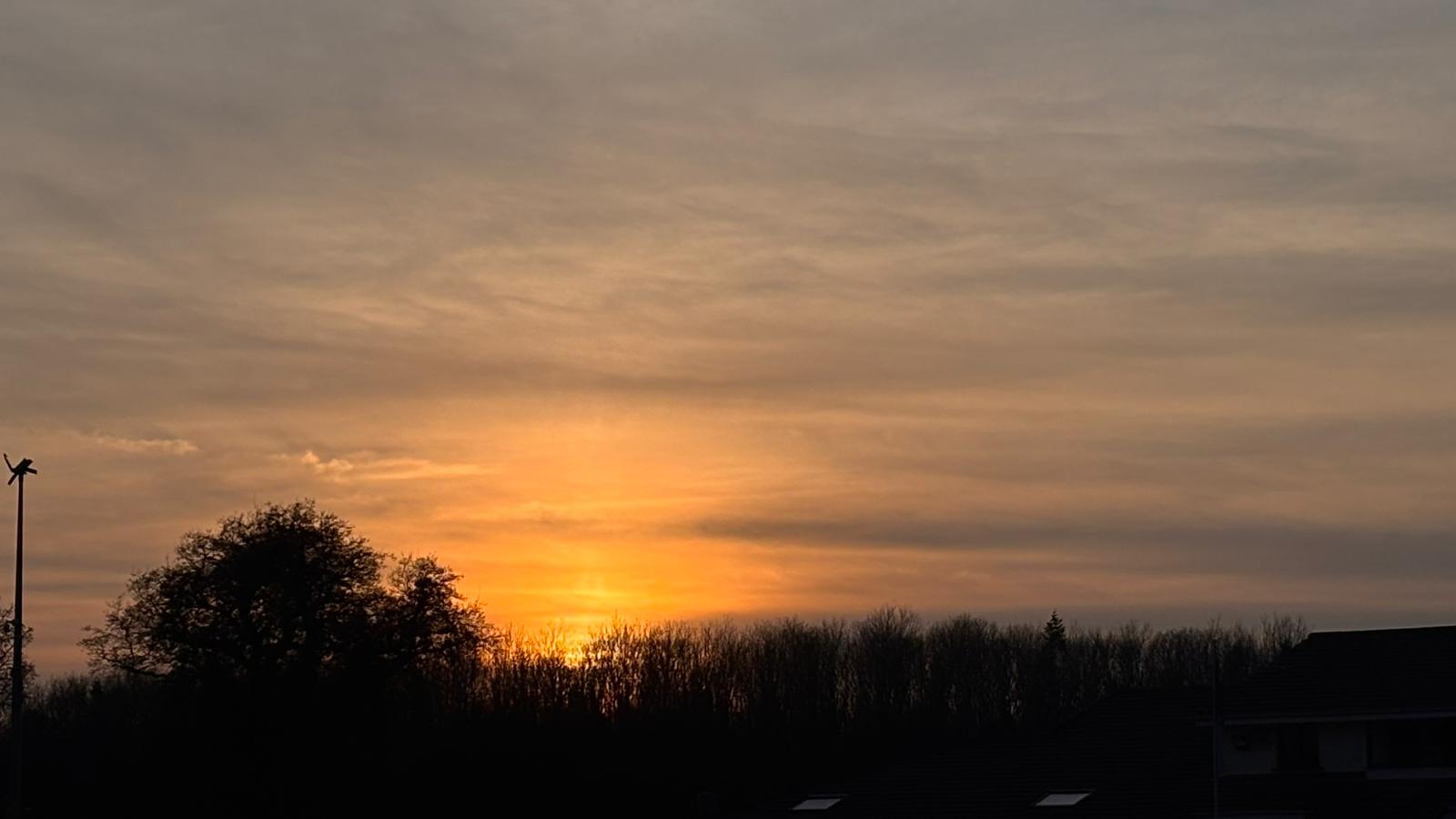
I love being out, walking, and capturing sunsets…. there is something about that light at the end of the day that just makes you stop and feel things.
I was recently on a call with my mum while out on one of these walks, and we got talking about how things move when someone flies out of their home country. How life shifts. How people adjust.
And then she mentioned that one of her friends had been telling her about her son. About how he had moved abroad and was struggling. And the way this friend spoke about it…. it was with so much worry. So much sympathy.
Poor thing, she kept saying. He is managing so much on his own.
And I just listened. And then I started thinking.
Let me tell you what exactly he was struggling with because this is where it gets interesting.
He was cooking his own meals, looking for a job, doing his laundry, cleaning his own dishes, figuring it all out quietly. Far from home. Starting over.
Now I want you to hold that image in your mind. And I want you to imagine the exact same situation, same city, same struggles, same quiet courage it takes to start fresh somewhere new.
But this time, it is a woman.
The reaction? Well, she chose to go. She could have stayed. What was the need?
Same life. Completely different story told about it.
We did not change the situation. We only changed who was living it. And somehow, that changed everything.
I have been asked many times why I think or act a certain way, and when I share my perspective, people say… but that is not reality. And I always wonder… whose reality? Defined when? And by whom exactly?
Someone once told me I was a very tough woman. It was meant as a compliment, and I took it as one. But later I sat with it and thought…. would a man doing the exact same things simply be called capable? Would it even be worth mentioning?
Because here is what I have noticed. If a woman is self-reliant, direct, not particularly soft in the way society expected her to be, she is difficult. Too much. Not acting like a woman.
And if a man is gentler, more emotional, a little outside what society decided men should be, he gets a different kind of silence. A different kind of judgment.
Nobody is really winning here.
A society built by us, questioned by us…. and yet the moment someone steps outside the expected script, we are the first ones to say…that is just not how things are.
But I genuinely want to ask…who set these standards? Who decided what things are supposed to look like? And when did we all silently agree to stop questioning it?
Patriarchy, and I want to say this clearly, it does not actually favour anyone in the long run. It puts everyone in a box. It just makes some boxes look more comfortable than others for a while.
And I am not saying every country or every culture thinks the same way… but you will find instances of this bias everywhere. In some form or another, it does shows up.
I do not have a perfect solution wrapped up neatly at the end of this post. I never do, honestly.
What I do have is a small question I want to leave with you.
The next time you react differently to someone’s choices, struggles, or strength based on their gender… just pause. Not with guilt. Just with curiosity.
Ask yourself: where did this thought come from? Does it still make sense to me?
And before I end, I want to be honest about something.
I am the same. I grew up in this same society, absorbed the same conditioning, and yes…I react differently too sometimes, without even planning to. You and me are the same.
But I think that is exactly what makes it worth saying. These are not flaws to be ashamed of. They are things we were taught. And anything we were taught… can be unlearnt.
The days are getting longer. There is more light now.
Maybe it is a good time to look at a few things we have been keeping in the dark.
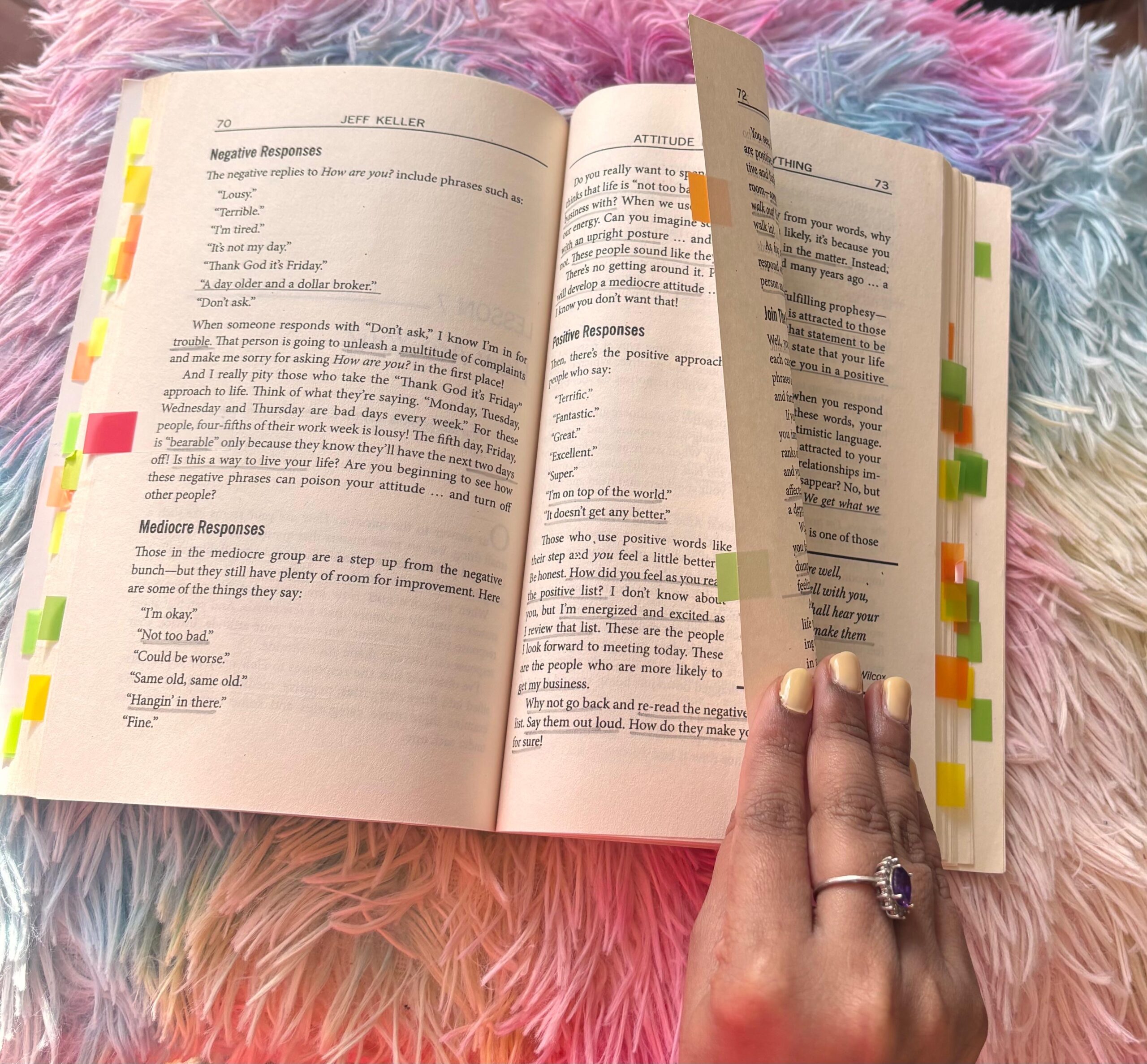
Chapters I chose to close!
One thing life quietly teaches you, sometimes gently and sometimes painfully, is that not every chapter is meant to last forever.
Some chapters end loudly…. with arguments, tears, and unanswered questions. Others close quietly, almost unnoticed, until one day you realise that a person, a place, or even a version of yourself is no longer part of your story.
And that realisation can feel strange.
We all have ended some chapters in our lives… maybe some friendships, maybe some connections we simply outgrew, or situations where we realised they were mentally draining us more than energising us.
Most of the time, though, the hardest chapters to close are the romantic ones.
Those are the chapters where we spend the longest time deciding whether to stay or leave. However draining it becomes, we often stay a little longer with the hope that maybe things will change tomorrow. Maybe suddenly a miracle will happen and we will be chosen.
But that is rarely the reality.
Sometimes in relationships we see potential. We imagine what things could become. But reality is often very different from what we feel in our hearts.
And in that confusion, we start questioning ourselves.
Was it all in my head? Did I misunderstand things? Did I feel more than what actually existed?
But let me remind you of something important.
Your gut rarely lies. It whispers the truth long before your mind is ready to accept it.
If your inner voice is quietly telling you that it is time to close a chapter, believe it.
Closing a chapter will hurt. It has to. If it did not hurt at all, it would probably mean the connection was never genuine to begin with.
Pain and hurt are not signs of weakness. In many ways, they remind us that we are human, capable of feeling deeply.
What hurts more in the long run, though, is not choosing yourself.
Ignoring your needs, your peace, and your self-respect will slowly drain you far more than the temporary pain of letting go.
Your life is your book which belongs only to you. Some chapters are beautiful, some are difficult, and some simply need to end.
You might feel tempted to re-read a chapter again and again. And yes, you can do that if you wish. But if you do, make sure you truly understand what the chapter was trying to teach you.
Because the purpose of closing a chapter is not just to move on, it is to prepare yourself for a better one.
This blog is for anyone who has lost a friendship, stayed in a situationship, been led on, or believed in something that never fully materialised.
In today’s world, relationships often feel more complicated than they used to be. Sometimes you are left wondering where you stand or whether what you felt was ever truly real.
But at some point, you have to decide how long you are willing to stay in a place where you are not valued, cherished, or adored….where your presence feels more like a formality than a priority.
Leaving may feel lonely at first. It may feel suffocating in the beginning.
But staying somewhere you are not appreciated will slowly drain you in ways you may not even realise right now.
Choosing yourself is not selfish. Choosing yourself is growth.
And sometimes the most powerful thing you can do is close a chapter, turn the page, and allow yourself to bloom into the next one.
Because when you start choosing yourself in a healthy way, you do not just move on.
You begin to bloom.. slowly, quietly, and beautifully…like a flower finally receiving the light it deserves.
And sometimes closing a chapter is not the end of the story.
It is simply the moment you begin writing a better one.
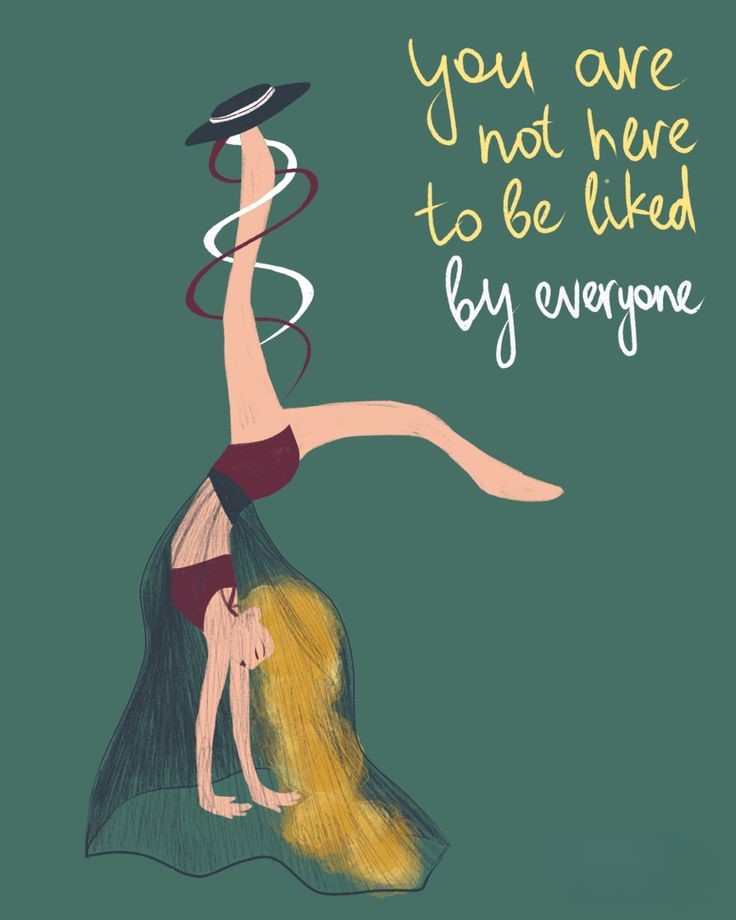
The Art of Being Disliked.
Happy International Women’s Day to my readers.
As we celebrate the empowerment of women, I have realised something: if you are ambitious, a dreamer, an achiever, and someone who wants more from life, you must also learn to be comfortable being disliked. People’s opinions are often just noise….not your reality.
When I was in school, I often saw the idea that being liked by everyone was important. From a young age, we are taught to maintain harmony, to adjust, and to be agreeable. Slowly, that idea becomes part of your identity.
We start believing that being liked by everyone is a sign of success. We begin craving attention and approval. Over time, it becomes ingrained in us to be liked by most people.
But as I grew up, I realised that given my personality, being liked by everyone was never going to be realistic. And honestly, it shouldn’t be the goal either.
There will always be people who misunderstand you, judge you, or feel uncomfortable with your confidence, your boundaries, or your ambition. Sometimes people will question your choices simply because they are different from their own.
And that is okay.
As women, especially ambitious women, we are often expected to soften our edges to make others comfortable. We are told to speak less, demand less, and dream within acceptable limits. But the moment you step outside that box, criticism follows.
And if your mindset is like a diamond…congratulations…you will need stronger filters. Also, not everyone can afford a diamond.
The truth is, growth often comes with discomfort…not just for you, but for the people around you. When you start choosing yourself, protecting your peace, and building a life that aligns with your values, some people may not understand it.
And that is part of the journey.
Being disliked is not always a sign that you are doing something wrong. Sometimes it simply means you are no longer shrinking yourself to fit into spaces that were never meant for you.
Harmony is beautiful. But harmony that costs your peace is expensive.
Learning the art of being disliked is really about learning the art of being authentic. It means standing by your values even when others disagree. It means trusting your path even when it looks different from everyone else’s.
So if someone thinks you are too ambitious, too independent, too opinionated, or too different…take it as a compliment.
Because sometimes being disliked simply means you stopped abandoning yourself to make others comfortable.
You Doubt Your Own Potential
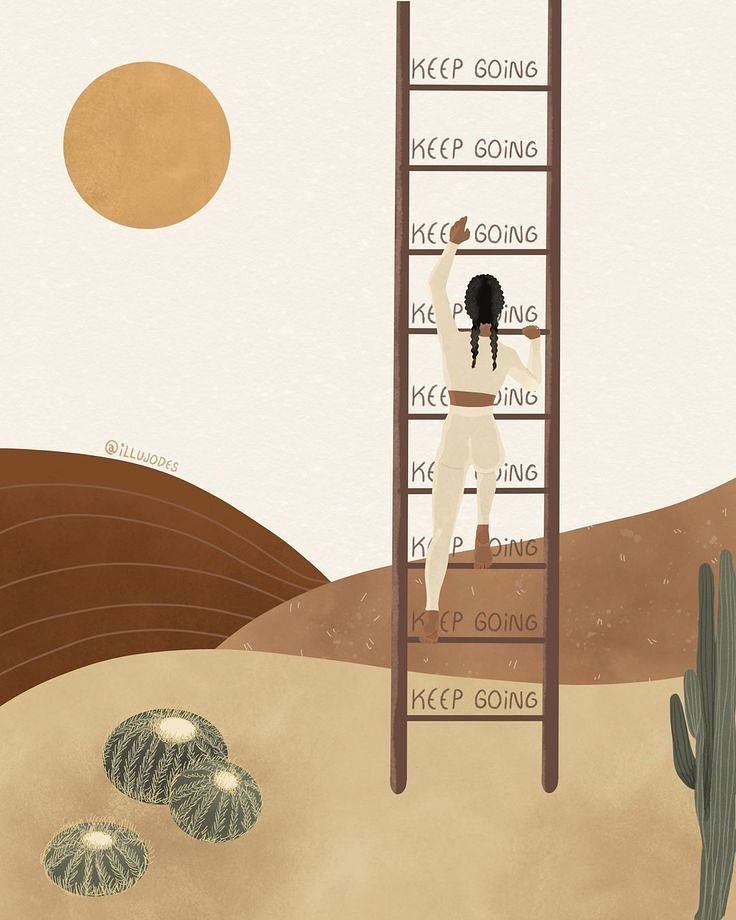
How many times have you tried to step into something that could make you grow, make you better, make you feel alive… and then suddenly you spiral?
The what ifs start.
What if it does not work?
What if I am not ready?
What if I fail?
I strongly believe something… whenever you try to move out of your comfort zone, everything feels like it is working against you. And maybe that is the point.
Because if everything felt easy, if everything aligned smoothly, you would never leave where you are. You would stay comfortable. You would never shift into a new motion.
Growth needs friction.
Yes, it will be uncomfortable.
Yes, there will be too many options.
Too many rights and wrongs to analyse.
Maybe even anxiety. Maybe even panic.
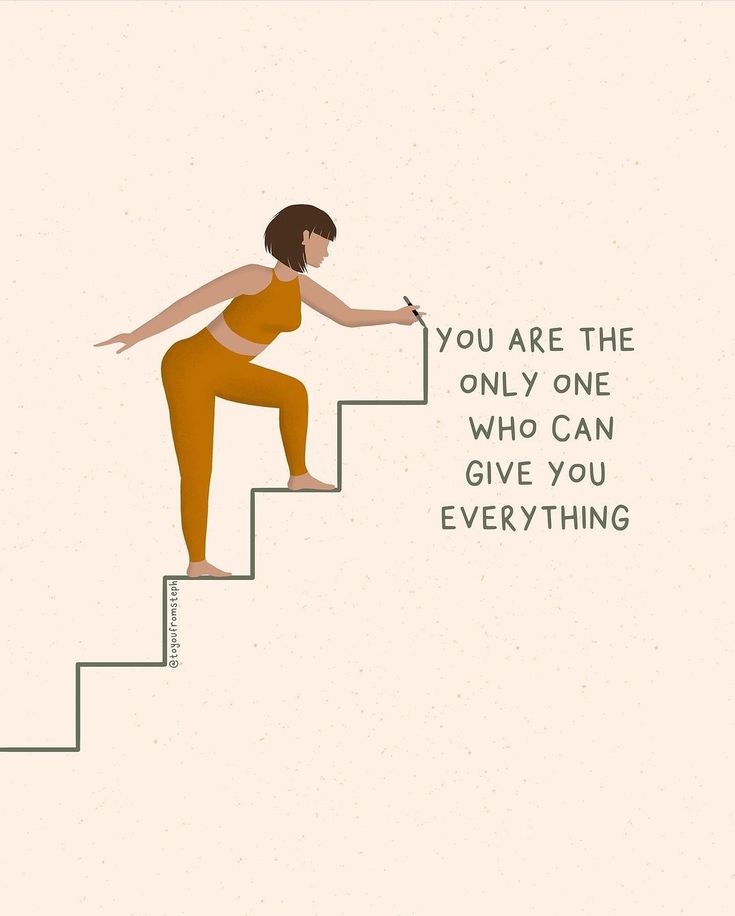
But that does not mean you are doing something wrong.
It simply means you are shifting gears.
Things only change when there is force and willpower.
Otherwise, look around. Many people stay in the same place for years. Same mindset. Same routine. Same fears. Not because they cannot move but because they choose not to.
Not everyone will do it. But whoever truly wishes to can.
One thing that has helped me is a simple mantra:
Everything is working for me and for myself.
Some days it makes no sense.
Some days it feels like a lie.
But then two years later, something clicks. And you realise why certain things did not work, why certain doors closed, why certain paths felt painful.
You limit your capacity more than the world does. I say this again it is you who limits your potential.
If you truly wanted to, you could walk on the moon. Maybe not literally. Or maybe one day, who knows. But the moon does not have to be the sky.
For me, the moon is achieving what I once only dreamed about.
The moon is living a life I once imagined quietly in my head. The moon is walking in my own reality.
So go beyond what you think is possible.
Challenge yourself. Shift gears.
Do not let your doubts decide your limits.
Try yourself out. And try not to limit yourself.
The Day My Body Changed Forever
Disclaimer:
This post is based on my personal experience with PCOS. I am not a medical professional, and this is not intended to replace professional medical advice. Every body is different, and if something here resonates with you, I encourage you to speak to a qualified healthcare provider you trust.
When I first started writing The Unsaid Diaries, I had a reason — to talk about things we usually do not say out loud. The experiences we whisper about, avoid discussing in groups, or are taught to quietly endure.
Today, as I mark an year of writing, I am opening a chapter from my life that has stayed with me for over 10 years — and will stay with me until the day I die.
This chapter began when I was 14, I got my first period.
No one had really prepared me for it. I knew it would happen “one day,” but nothing prepares a child for the sudden sight of blood and the fear that follows. I can still describe that moment in detail — and anyone who menstruates knows this truth: you never forget your first period.
It was already overwhelming as a child. But what came next, years later, was something I was not prepared for at all.
In 2018, when I was 19, I missed my period.
At first, there was a strange sense of relief. No bleeding. No discomfort. No disruption for a few days.
I remember thinking, Wow — no blood for the next four days. But relief did not last long.
When I went to see a GP, instead of investigation or concern, I was repeatedly asked one question:
“Are you pregnant?”
No tests. No scans. Just assumptions.
Imagine being a young woman — barely out of your teens — being told you might be pregnant simply because your body did not behave “normally.” As if missing a period automatically meant sex, secrecy, and dishonesty.
I will always be grateful for my mother in that room. She stood beside me and said firmly, “Before you assume anything, can you please check what is actually wrong?”
That moment mattered.
A few months later, I was diagnosed with PCOS (Polycystic Ovary Syndrome) — also known as PCOD.
Back then, it affected one in every five women. I was not ready for what came with that diagnosis.
Words like infertility were introduced casually — as if a 19-year-old should be worried about whether she could get pregnant someday. As if that was the most urgent concern for a young woman who was still figuring out her life, her career, and herself.
I remember thinking, How considerate — worrying about pregnancy when I am 20 and not even thinking about it.
In 2019, if you searched for PCOS online, you would barely find a few pages of research. There was — and still is — no cure. Just different ways which doesn’t 100% sure anything.
And the explanation often felt worse than the condition itself:
that PCOS exists because women did something wrong.
Too stressed. Wrong lifestyle. Poor choices.
Living on this planet for 20 years and suddenly being told your body is malfunctioning because of you — while you are just starting to earn, dream, and build a life — is not easy to digest.
People around me spoke about how dreadful their periods were. I had not had one in 6 months.
And this is where it gets misunderstood — no period does not mean no problem.
PCOS shows up differently for everyone:
irregular or delayed periods, heavy bleeding, mood swings, weight gain, excessive hair growth, hormonal imbalance, mental exhaustion.
You are expected to function normally — work long hours, manage family expectations, keep going — while your body quietly struggles.
The response is often dismissive: “Take these medicines, you will be fine.”
Most of them were birth control pills. Pills that induce periods, regulate hormones, but also prevent pregnancy, I urge to read the side effects of them and you will never suggest them to anyone.
Pregnancy was never my concern. Understanding my body was.
At some point, PCOS started being compared to conditions like cancer or other major diseases— not in outcome, but in uncertainty.
Those research took decades to evolve. Even today, there are multiple types, treatments, and unanswered questions. PCOS sits in a similar space of neglect — under-researched, under-funded, under-explained.
And people often respond with, “But it is not fatal.” As if death is the only measure of seriousness.
Death is inevitable for everyone — diagnosed or not.
What matters is how you live today, with a condition that affects your body, mind, confidence, and future without clear answers.
As a 20-year-old, I was suddenly expected to manage questions I did not have answers to. My mother thought it was temporary. Doctors were unsure. Information was scattered. Fear was constant.
Eventually, after persistent searching, I found a better OB-GYN.
Then books. Then support groups. Then women who were walking the same confusing path.
That was the real beginning of the journey. One thing PCOS does confirm is high testosterone.
So if you live with it — pick up those dumbbells. Strength training helps. Not just physically, but mentally.
It teaches you that your body is not broken.
It is adapting. It is responding. It is asking to be understood, not blamed.
This is just the beginning. The Chapter One.
If you see yourself in any part of this story, know this:
you are not alone, your body is not a mistake, and your experience is valid.
Sometimes, saying the unsaid is where healing begins. More soon. Stay tuned.
Leaving Home, Finding Myself
No one really prepares you for the day you move out of your parents’ house.
There is no ceremony. No official announcement that says, “You are an adult now.” It happens quietly — through packed suitcases, folded clothes, and one last look at a room that held every version of you.
It has been three years for me now since I moved out of my parents’ house and started living alone.
And in these three years, I have heard many opinions.
Some people my age and older still live with their parents, well into their thirties. And often, the explanation given is culture. “That is how Indian culture is.” “Moving out is a Western concept.”
I have always found myself questioning that.
Is it really?
Because if that were true, how did my grandfather — and so many others from his generation — move from small towns to big cities like Mumbai, dreaming of a better life, better work, and bigger opportunities?
How was that not part of our culture? How was that not courage?
I sometimes feel that culture becomes a shield — not to protect values, but to avoid discomfort.
To avoid confronting the fear of independence, loneliness, or self-responsibility.
Moving out takes guts.
It means choosing a lifestyle where you are responsible for everything — groceries, rent, cleanliness, laundry, bills, repairs, emotions, and silence.
And yet, in society, it is often described as “cutting ties” with parents.
That part confuses me the most.
Because the more I have lived alone, the closer I have felt to my family — just in a different way.
I remember my mother’s cooking more now than I ever did while living at home. I call her to ask for recipes I never bothered to learn earlier. Sometimes those calls turn into one-hour video calls just to make sure the dish turns out right.
I call my father to ask how to fix a pressure cooker or tighten a tap — even though the internet exists. Somehow, asking him feels easier, warmer, more familiar.
I ask my grandmother how she used to drape her sarees because I want to wear them the way she did. I talk to my sibling — maybe not for practical help, but for gossip, comfort, and shared memories.
Living away has not distanced me from my family. It has made me notice them more.
Yes, living alone means handling everything yourself.
Yes, it is exhausting at times.
Yes, staying with parents is financially easier.
But living independently teaches you things that comfort never does.
It unlocks parts of you that you did not know existed. It holds up a mirror — showing you your vulnerable side, your impatient side, your capable side.
And I think many people are afraid of meeting themselves that honestly.
When someone has never handled groceries, never paid a bill, never cleaned a house, never cooked a full meal — not because they cannot, but because someone always did it for them — independence feels threatening.
And no, this is not gender-specific. It should not be. But we all know reality is not always that balanced.
Imagine two people.
Person A lives with their parents, which is perfectly fine, but has no idea how the household functions. No idea what groceries cost, where to buy essentials, how to manage a home independently.
Person B lives fifteen minutes away from their parents. Knows how to manage a house, host people, take responsibility, make decisions, and still shows up for family when needed.
Who is really more independent? Who is really more prepared for life?
Choosing where and how to live is personal. There is no single correct path. Staying with parents is not wrong. Moving out is not rebellion.
But having the option to live on your own, to experience life independently, while still having parents by your side — that feels like balance to me.
Moving out is not about rejecting where you come from.
It is about becoming someone who can stand on their own feet and still bow their head in gratitude.
You do not leave home to escape it. You leave home to understand it better.
And maybe that is the real growth no one talks about.
I would love to know your thoughts.
If you had the choice, would you move out and live alone, or does living with parents feel right for you?
New Year and Better Habits?
First of all — Happy New Year. Happy 2026 ✨
The year has just begun, and like most people, I’m stepping into it with a lot of thoughts and no loud resolutions.
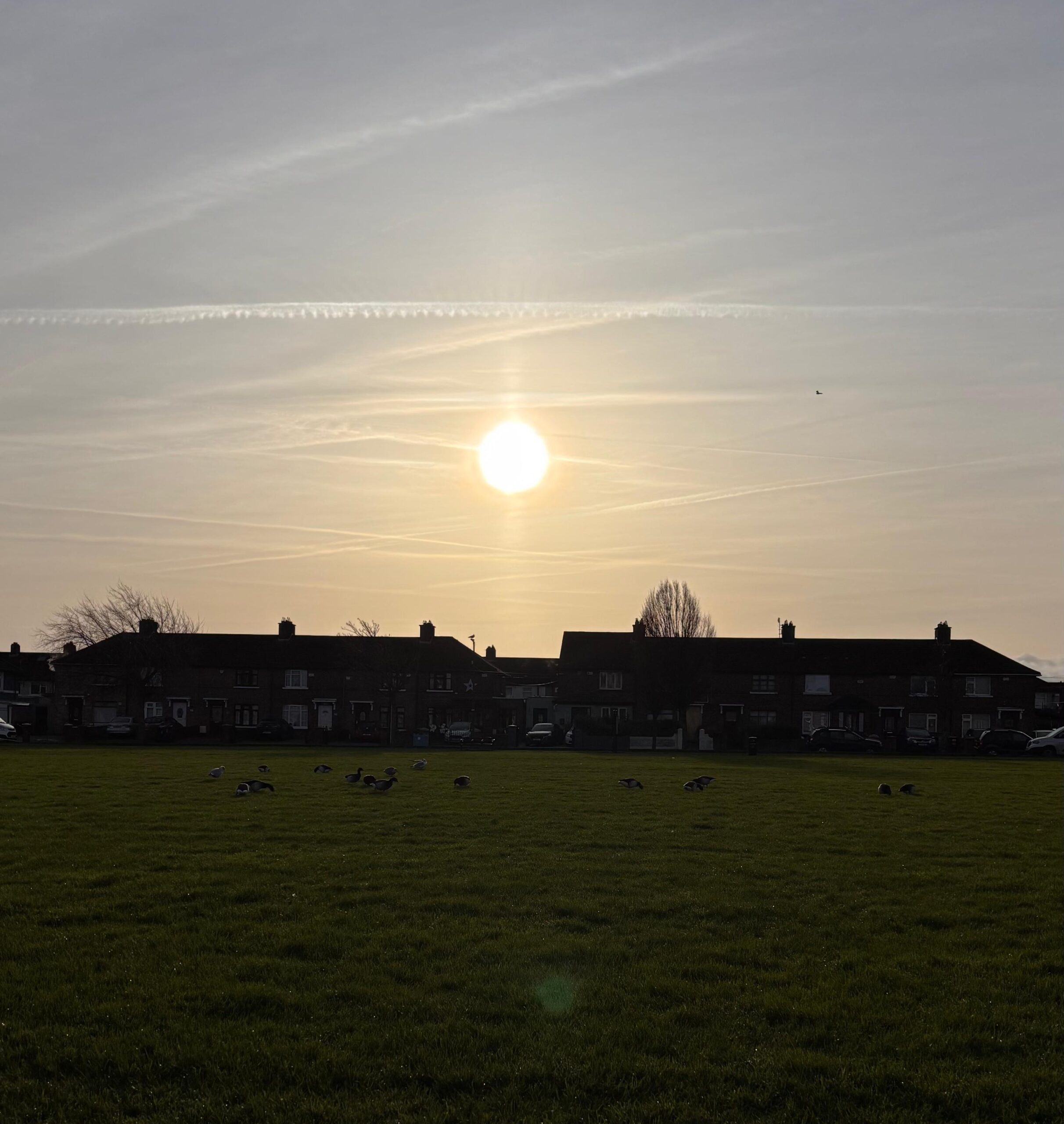
Dublin has been colder than usual, but the year started with a rare four hours of sunshine — which honestly felt like a gift, considering the country’s track record with weather. I’ll take it.
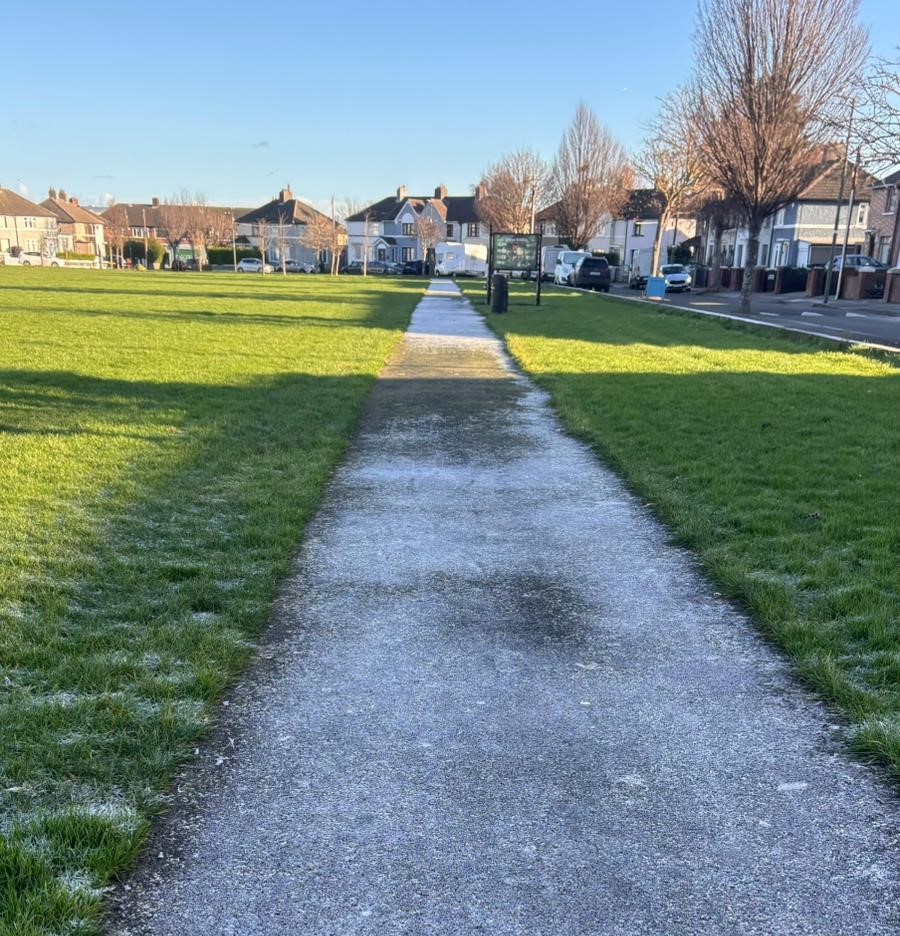
Some people start the year with detailed resolutions, vision boards, and big plans. Some don’t. And some pretend they do, while internally rolling their eyes at the whole thing. Wherever you fall on that spectrum — it’s all fine.
Personally, I like having an aim rather than a strict plan. Something to come back to when the year feels long or overwhelming.
So if you haven’t thought of anything yet, here are three simple habits I’m easing into this year. Feel free to steal them.
1. Budget Your Finances (Gently)
No spreadsheets. No accountant energy.
Just look at what went in and what went out last year. That’s it.
Not to judge yourself — but to understand yourself.
Knowing where your money goes, how much you save, and what you spend without guilt is a form of self-respect. It gives you clarity and freedom, not restriction.
You don’t need to plan the entire year. Start with one month. Track. Adjust. Repeat.
Small clarity is better than none.
2. Prioritise Your Health (Without Perfection)
Health isn’t just “I can walk fine, so I’m good.”
Trust me — that logic collapses quickly when you’re climbing stairs in Edinburgh and running out of breath halfway through.
Every January, people join gyms with great motivation. The real question is:
How do you show up on the days motivation disappears?
You don’t have to change everything at once. Pick one thing:
- walking 5,000 steps a day and slowly increasing it
- drinking enough water (yes, the toilet trips are annoying)
- getting your blood work done when your GP suggests
- saying no when you’re tired — even if it’s uncomfortable
Consistency matters more than intensity.
3. Do More of What Makes You Feel Alive
Everyone has their own version of this.
That one thing that lights you up — even slightly. For me, it’s planning travel. Choosing a destination. Having something to look forward to while navigating adult life and routines.
It doesn’t have to be exotic or expensive.
Even the intention to move, explore, or experience something new changes your mindset.
Movement – physical or mental – changes the mind.
A Gentle Start
I don’t think you need five resolutions or a bucket list of 25 things to start a year well.
You just need something that makes you feel good when you look back at the year in December.
This feels like a good place to start.
And if you have more ideas, feel free to add them in the comments — I’d love to know what you’re easing into this year.
If you are still figuring things out, welcome. You are exactly where you need to be.
Here’s to a softer, steadier 2026.
One habit at a time.

Own Yourself
Merry Christmas, everyone. I hope you had a lovely Christmas Eve and are looking forward to celebrating Christmas.
I have a few drafts sitting unfinished. I kept wondering whether I should post them now, but I think I will save them for next year. Before moving ahead, though, I found myself pausing and looking back at how this year actually went.
There were many changes — I like to say I am growing up. With that came a lot of new thoughts. One thing I realised while reflecting is that I barely recognise the person I was at the start of the year. And if you feel the same — that before the year ends, you have grown — I think it’s okay to own that. I don’t see anything wrong in it.
At the beginning of the year, you might have had a list of things you wanted to achieve. Some worked out. Some didn’t. And some never even got started. I’ve started believing that the things that didn’t work out might make sense a year or two from now. Sometimes the universe doesn’t explain itself immediately.
Now comes the question everyone asks — what’s your New Year’s Eve plan?
Some people have fancy plans, and that’s great. But if you don’t, here’s a simple one. I’m following this myself.
The last days of the year:
- Day 1: Take care of yourself — skincare, rest, slowing down.
- Day 2: Watch the movies you saved for “later.” Maybe two of them.
- Day 3: Check in on your friends. A reel, a message, something small. We like our shells, but does our dopamine always agree?
- Day 4: New Year’s Eve — have your favourite food. For me, it’s hot chocolate with instant noodles and quietly saying, here we are.
And if New Year’s Eve feels overhyped, you’re not alone. A date changes, a year changes, and everything else stays the same.
But maybe try one small thing this time — a vision board. Pick four things you like, make a small collage, and save it on your phone. Will it work? No clue. But what is there to lose?
If you are wondering where last week’s blog went — December in Europe has been distracting in the best way. Christmas markets everywhere, something new to see each weekend. I have been stepping out, roaming around, and making small memories. I am in Edinburgh, sipping my coffee while writing the last bit for this year, and let me tell you — it feels amazing. With one weekend still left, I plan to enjoy it while quietly thinking about what I want next year to feel like.

If you are wondering where last week’s blog went — December in Europe has been distracting in the best way. Christmas markets everywhere, something new to see each weekend. I have been stepping out, roaming around, and making small memories. I am in Edinburgh, sipping my coffee while writing the last bit for this year, and let me tell you — it feels amazing. With few days still left, I plan to enjoy it while quietly thinking about what I want next year to feel like.
For now, I am signing off for the year, hoping for good weather before flying back to Dublin. Putting these thoughts down, stepping away from drafts, and letting myself enjoy what I’ve achieved — even if most of it lives in my notes app for now.
I will be back next year with new thoughts. If you’d like, drop your reflections for this year or tell me what you want to read next.
Wishing you a Happy New Year and a wonderful year ahead.
Finance Lesson 101 (My Way)
I have had conversations that linger long after they’re over. One question I hear often is: “With three degrees and a background in finance, what are your real thoughts on money?”
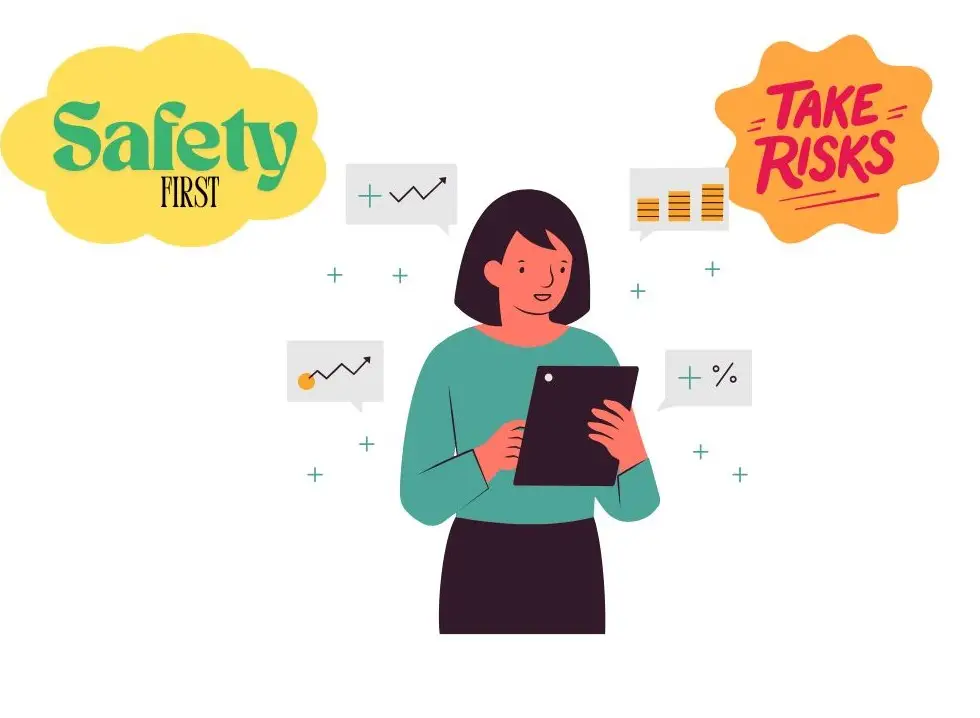
Here’s the thing – money is tricky. Keep it and it rusts. Invest it and it risks. Somewhere between those two extremes is where most of us live — trying to figure out what actually makes sense.
I am not a financial influencer. My work touches money, yes, but I am not here with formulas or get-rich schemes. What I have learned is this: finance isn’t always about numbers. Sometimes it’s about perspective.
I saw this when I was cribbing to my engineer friend while learning Python. She told me, “You’ve just started — of course it feels like gibberish. It’s not rocket science, but until the basics click, it won’t make sense.” Later, when she asked me about finance, the roles reversed — and she felt the same way.
The Big Question: What Do I Do With My Money?
We all face it. You have saved some funds — now what?
- Put it in stocks and hope it doubles?
- Leave it at home so you can “see” it?
- Buy gold because your grandmother swore by it?
None of these choices are risk-free. Stocks crash. Cash at home loses value. Even gold — yes, prices rise, but what about liquidity? If you suddenly need money tomorrow, can you get it easily? And let’s not forget scams.
Risk vs. Rust
To me, keeping money idle is like letting it rust. But investing means facing risk. And without some risk, building anything meaningful is tough.
So we sit between two worlds: the older generation urging “buy gold, keep it safe,” and the younger crowd saying “invest, spend, live for today.” Both have a point — but neither is complete.
No One-Size-Fits-All Answer
Here’s what I know for sure:
- Don’t blindly follow your cousin, parent, or some flashy influencer.
- Don’t ignore your money either — leaving it untouched isn’t a plan.
- Be open, keep learning, and experiment responsibly.
Whether you save, invest, or spend, do it intentionally. If you choose safety, own that choice. If you choose growth, remember it takes time and patience.
Because money, at the end of the day, isn’t just about where you put it. It’s about why you put it there.
Final Word
Finance isn’t rocket science, but it can feel like gibberish until the basics click. The real lesson? Don’t look for a one-size-fits-all formula. Instead, find the balance between risk and rust that makes sense for you.
Living by Choice, Not by Checklist!
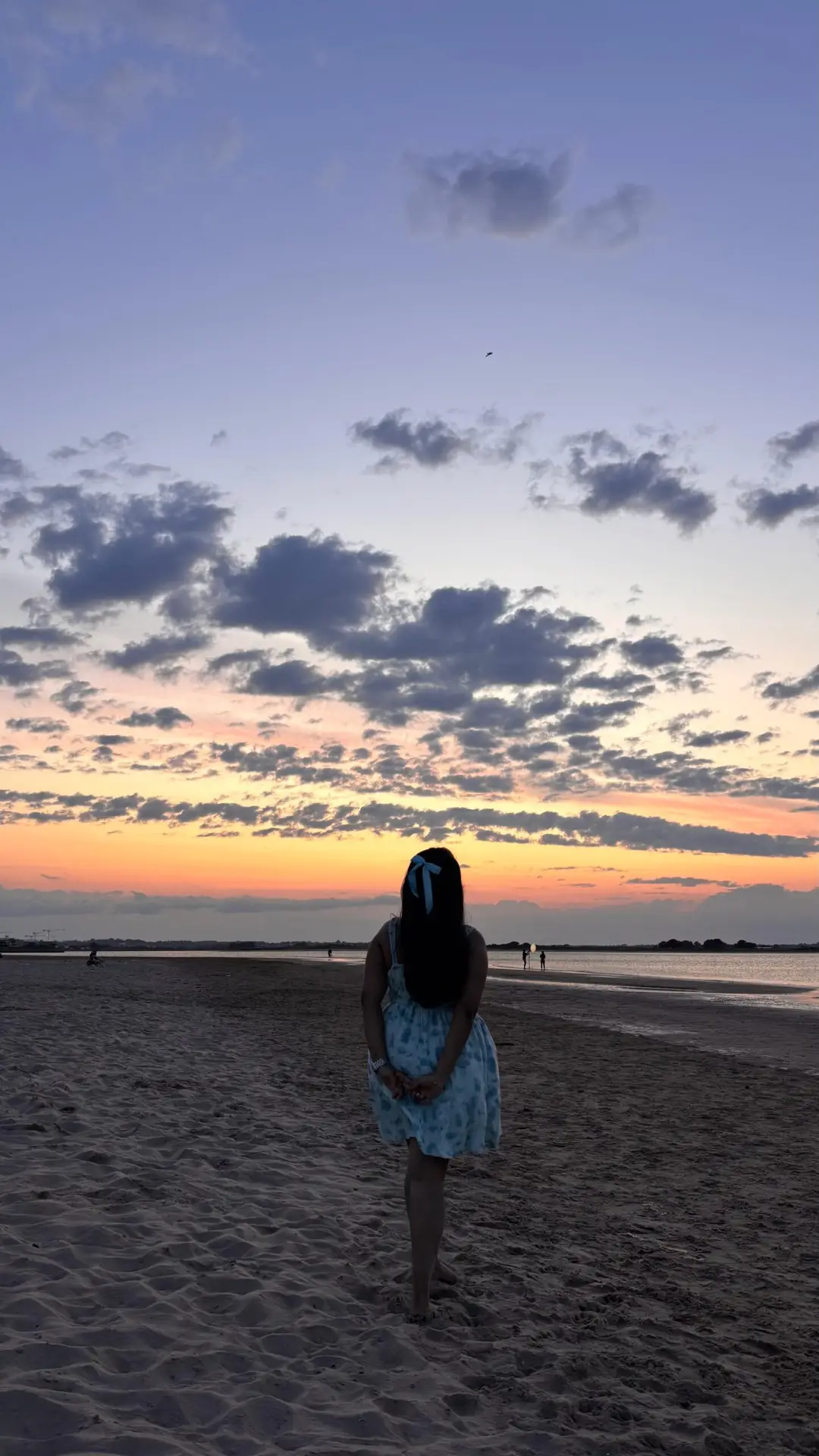
Two weeks of not writing. Two weeks of soaking up the sun, wandering through parks, and letting summer pull me away from the keyboard. It was blissful—until I caught myself saying out loud: “I miss writing.”
My friend I was with replied, “But you don’t have to write all the time.”
And I replied back, “True. But I want to.”
That one word—want—hit me like a wake-up call.
When Life Feels Like a Checklist
There was a time when my days were ruled by have to:
- I have to finish this project.
- I have to post a blog.
- I have to hit the gym.
- I have to save money.
Even though nobody was standing over me with a whip, I still felt weighed down. My goals, my choices—but framed as obligations, they became burdens.
The Moment It Shifted
One evening while journaling, I caught myself writing: “I have to write a blog.” Then I paused. Do I really have to? Who’s keeping score here? Who’s going to scold me if I skip it?
No one.
So I crossed it out and rewrote: “I want to write a blog.” Instant shift. The heaviness dropped. Suddenly it wasn’t pressure—it was passion. That’s when I realised: the words we choose carry the weight we feel.
Everyday Rewrites
Since then, I’ve been testing this tiny language swap in my daily life:
- Not “I have to work out” → “I want to move my body.”
- Not “I have to save” → “I want to build a secure future.”
- Not “I have to call home” → “I want to hear my mom’s voice.”
Even with travel—the thing I love most—I used to think: “I have to plan a trip this year.” Now I say: “I want to travel because it makes me feel alive, I want to see more places, enjoy my life fullest.”
The action doesn’t change. The energy does.
Why It Matters
Here’s what I’ve learned: I don’t thrive under “have to.” It feels like someone else is holding the pen of my life.
But “want to”? That’s freedom. That’s me choosing.
This shift keeps me writing because I want to share. It keeps me saving because I want a future I’m proud of. It keeps me kind to myself because I want growth, not guilt.
Try It Yourself
This week, catch yourself. Notice when you say, “I have to.” Swap it for “I want to.”
At first it may feel like a lie. But keep at it. Watch how your energy around the task changes—even if the task itself stays the same.
Final Words
Life already throws deadlines and obligations at us. Why pile on more by turning our own choices into chores?
I’m learning to live by this simple rule:
From “I have to” → “I want to.”
It makes everything feel lighter. Freer. And, most importantly—mine.